Article from MSN
There’s no shortage of technology promising to make us more productive.
Every year brings new apps, new software platforms, and new AI tools designed to help people work faster. Yet for many professionals, the challenge isn’t a lack of technology—it’s managing the constant flow of information that arrives throughout the day.
Meeting notes. Project updates. Research documents. Voice memos. Emails. Brainstorming sessions.
The modern workday generates an enormous amount of information, and keeping it organized can often feel like a full-time job in itself.
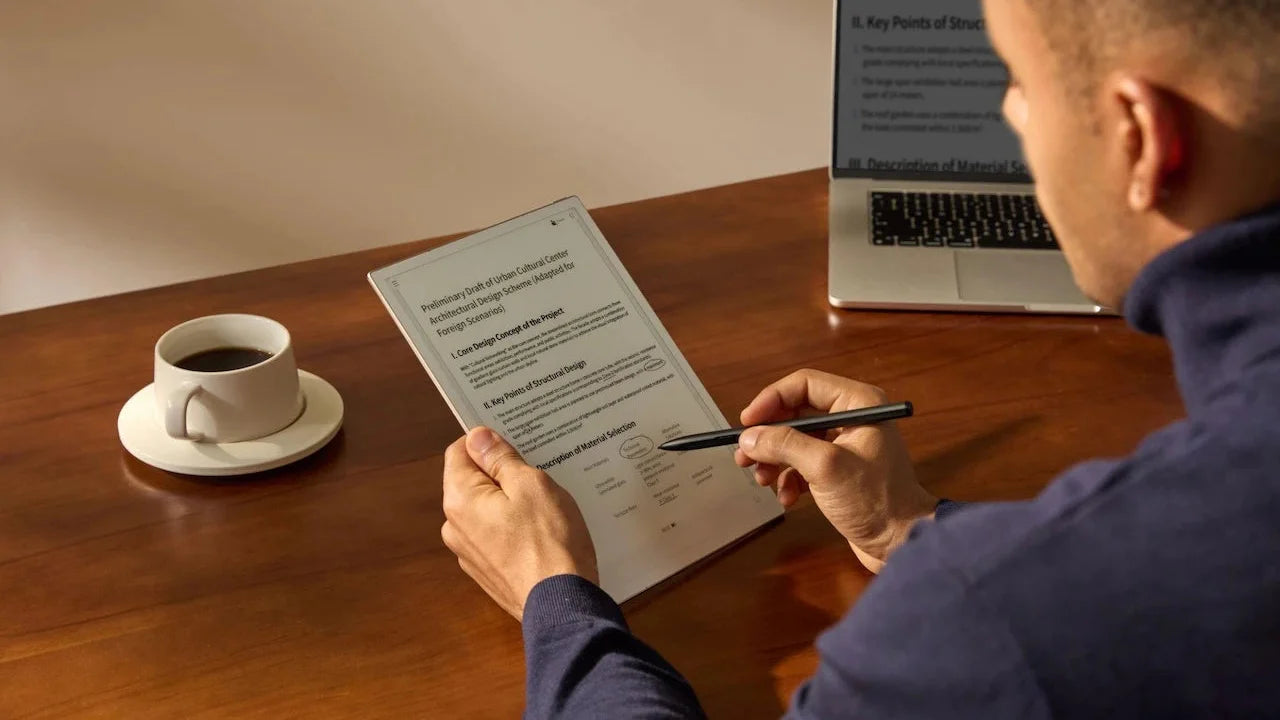
That’s one reason AI-powered paper tablets have emerged as one of the more interesting productivity categories of the past year. Devices such as the iFLYTEK AINOTE 2 and iFLYTEK AINOTE Air 2 combine the familiar experience of writing on paper with artificial intelligence tools designed to help users capture, organize, and retrieve information more efficiently.
The Rise of AI-Assisted Note-Taking
Artificial intelligence has quickly become part of everyday workflows, but many of the most useful applications aren’t flashy.
They’re practical.
Instead of generating content from scratch, AI can help summarize meetings, identify action items, organize notes, transcribe conversations, and make information easier to find later.
That’s the philosophy behind the iFLYTEK AINOTE series.
The devices are designed around the idea that information becomes more valuable when it can be easily accessed and acted upon.
For professionals who spend their days moving between meetings, research, planning sessions, and collaborative projects, that capability can have a significant impact.
AINOTE 2: Built for Deep Work
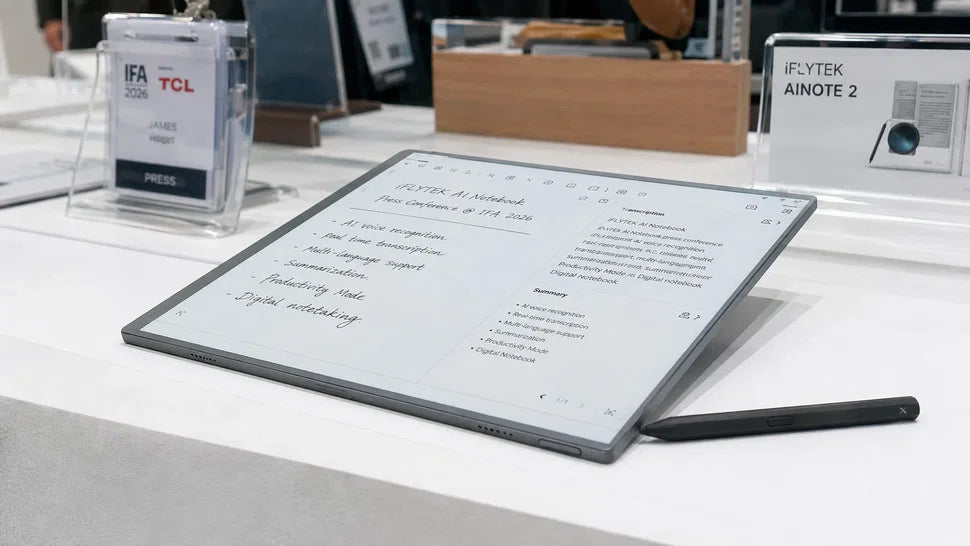
The flagship AINOTE 2 is designed for users who want a larger workspace dedicated to reading, writing, and productivity.
How AI Paper Tablets Are Helping Professionals Reclaim Focus in a World of Information Overload
Its 10.65-inch E-Ink display provides plenty of room for reviewing documents and taking notes, while its ultra-slim 4.2mm profile has earned it recognition as the world’s thinnest E-Ink tablet.
The device runs Android 14 and includes Google Play support, giving users access to familiar apps while maintaining a focused work environment.
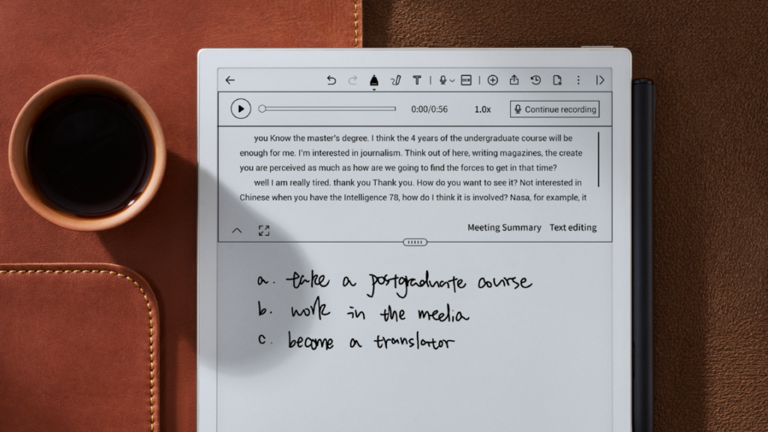
AI features include multilingual transcription with speaker identification, translation tools, handwriting-to-text conversion in 133 languages, and GPT-5-powered meeting summaries that can automatically generate key takeaways and action items.
Combined with a paper-like writing experience and responsive stylus input, the AINOTE 2 is designed to function as a central hub for professional knowledge management.
AINOTE Air 2: Productivity Anywhere
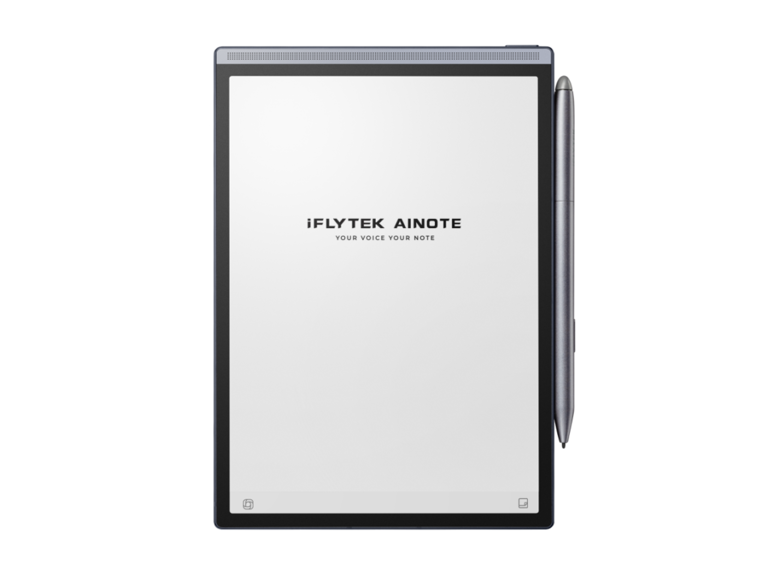
While the AINOTE 2 focuses on larger-scale workflows, the AINOTE Air 2 emphasizes portability.
How AI Paper Tablets Are Helping Professionals Reclaim Focus in a World of Information Overload
Its compact 8.2-inch design makes it easy to carry throughout the day, whether commuting, travelling, attending classes, or moving between meetings.
The Air 2 also includes a built-in front light, speaker system, and camera for document scanning, helping it adapt to a variety of environments.
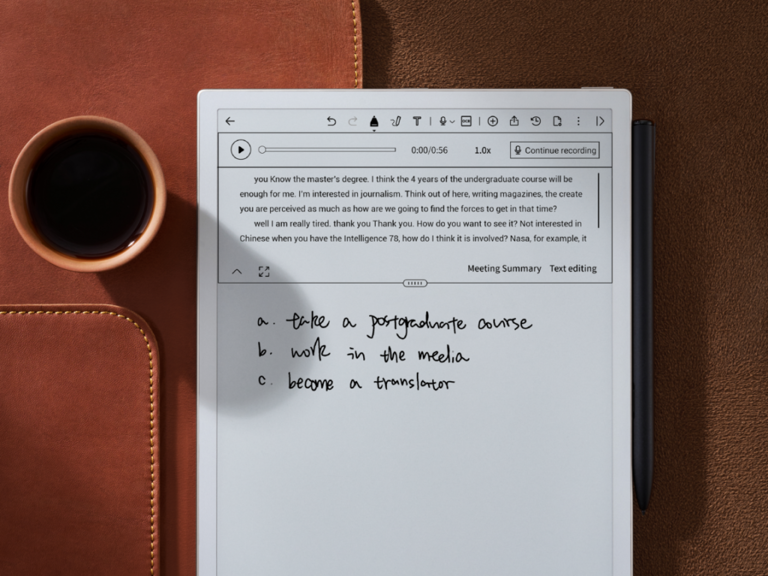
Many of the same AI capabilities found on the flagship model are available here as well, including intelligent note organization, transcription, summaries, and audio-linked handwritten notes.
For users who value mobility, the Air 2 offers a lightweight way to keep ideas, notes, and projects organized wherever work happens.
A Different Productivity Conversation
Productivity discussions often focus on output.
How can people do more?
How can they work faster?
A growing number of professionals are beginning to ask a different question: How can they work with greater clarity?
Tools that simplify organization, reduce friction, and help users focus on meaningful work are becoming increasingly valuable.
AI-powered paper tablets represent one response to that challenge, blending modern software capabilities with a reading and writing experience that feels familiar and intentional.
As AI continues to evolve, products like the AINOTE series suggest that the future of productivity may not simply be about adding more technology—but about helping people interact with information in smarter ways.